is diclofenac sodium gel prescription only Which is better, oral diclofenac or diclofenac gel?
Diclofenac Gel 3% and Oral Diclofenac are two common forms of medication used to relieve inflammation and pain. Both have been known to be effective, but which one works better? Let’s discuss.
Diclofenac Gel 3%
Diclofenac Gel 3% is a topical medication that contains the active ingredient diclofenac. It is used to treat pain and inflammation in the joints caused by various conditions like arthritis, bursitis, and tendinitis. The gel is applied directly to the skin on the affected area for up to four times per day, depending on the severity of the condition and the doctor’s prescription.
 The medication is absorbed through the skin and acts on the affected area, reducing inflammation, and relieving pain. It has a lower risk of side effects compared to oral diclofenac because the medication is applied directly on the skin, and the concentration of the drug that reaches the bloodstream is lower. Some of the possible side effects of Diclofenac Gel 3% include dry skin, itching, skin redness, and burning sensation on the site of application.
Oral Diclofenac
Oral Diclofenac, on the other hand, is a medication taken orally in the form of tablets or capsules. It is used to relieve pain and inflammation caused by various conditions like osteoarthritis, rheumatoid arthritis, and ankylosing spondylitis. It is usually taken two to three times a day, depending on the condition and the dosage prescribed by the doctor.
 Oral Diclofenac works by blocking the production of prostaglandins, which are substances in the body that cause pain and inflammation. This medication has a higher risk of side effects compared to Diclofenac Gel 3% because the drug is absorbed into the bloodstream, and the concentration in the body is higher. Some of the possible side effects of oral Diclofenac include stomach pain, nausea, indigestion, diarrhea, and increased risk of heart attack and stroke.
Conclusion
Both Diclofenac Gel 3% and Oral Diclofenac have been known to be effective in treating pain and inflammation. However, the choice between them depends on the severity of the condition, the patient’s age, and the risk of side effects. Diclofenac Gel 3% is recommended for people with mild to moderate pain and inflammation, while Oral Diclofenac is recommended for people with more severe pain and inflammation.
If you are experiencing pain and inflammation, talk to your doctor about the best treatment options for you. Your doctor will consider your medical history, current health condition, and the severity of your symptoms before prescribing any medication.
If you are searching about NDC 0363-1210 Diclofenac Sodium Diclofenac Sodium you’ve visit to the right page. We have 5 Pictures about NDC 0363-1210 Diclofenac Sodium Diclofenac Sodium like Which Is Better, Oral Diclofenac Or Diclofenac Gel? - Get Rid Of Gout, Diclofenac Gel 3% - Captions Profile and also NDC 0363-1210 Diclofenac Sodium Diclofenac Sodium. Here you go:
NDC 0363-1210 Diclofenac Sodium Diclofenac Sodium
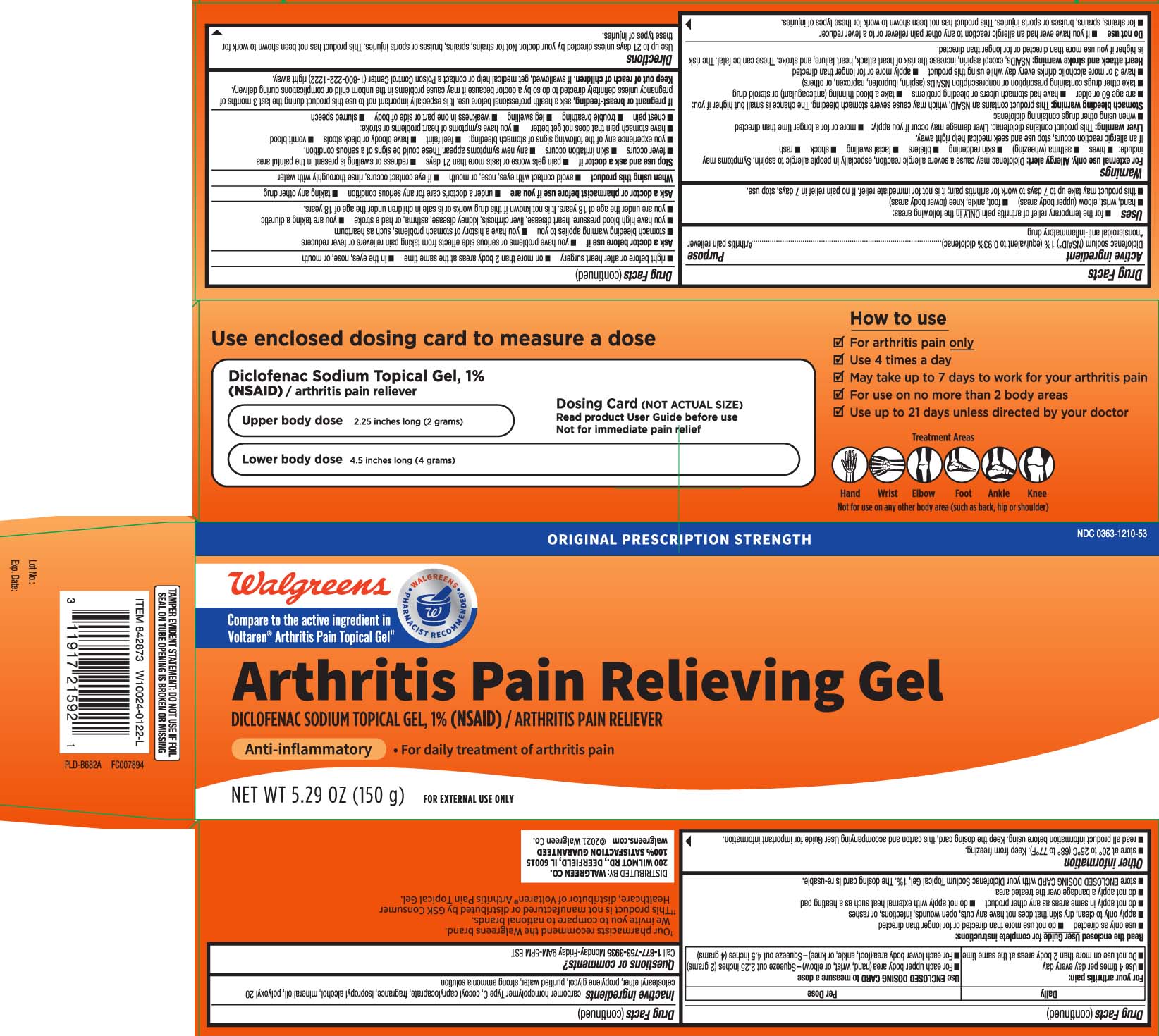 ndclist.comdiclofenac sodium gel ndc 1210 nsaid equivalent nonsteroidal inflammatory drug anti
Diclofenac Sodium Gel, 3% - Glenmark Pharmaceutical
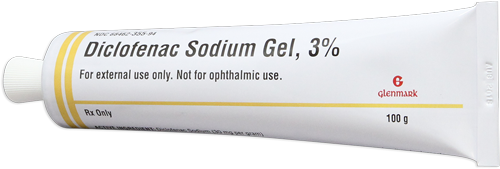 glenmarkpharma-us.comdiclofenac gel sodium tube description strength
What Is Diclofenac Sodium? - GoodRx
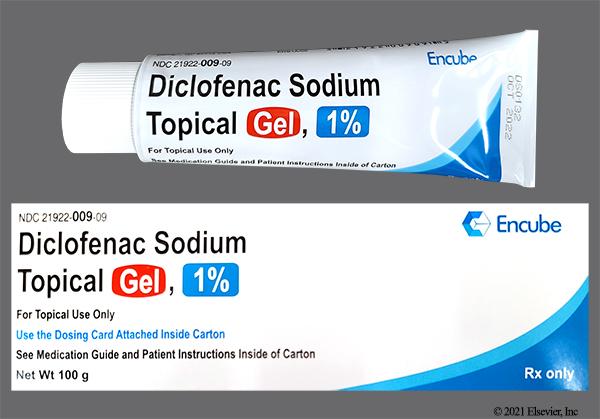 www.goodrx.comdiclofenac sodium topical
Which Is Better, Oral Diclofenac Or Diclofenac Gel? - Get Rid Of Gout
getridgout.comdiclofenac gel oral better which gout
Diclofenac Gel 3% - Captions Profile
captionsprofileau.blogspot.comdiclofenac 100g
Diclofenac sodium gel ndc 1210 nsaid equivalent nonsteroidal inflammatory drug anti. Ndc 0363-1210 diclofenac sodium diclofenac sodium. Diclofenac 100g